Key Takeaway
To use air brake antifreeze, add it only through an OEM-approved alcohol evaporator or injector in the exact amount that device’s manual specifies. Air brake antifreeze is methyl alcohol that lowers the freezing point of moisture already in the air lines and tanks. If your truck has a desiccant air dryer and no approved evaporator, there is no fill point on that truck.
Use air brake antifreeze only through an OEM-approved alcohol evaporator or injector, and only in the amount that component’s manual specifies. If your truck has a desiccant air dryer and no approved antifreeze device, do not improvise a fill point. A freeze-up on a dryer-equipped truck is a moisture control problem, not a pour problem.
Temperatures dropped, the water vapor in your air lines condensed and froze, and now you are losing air with freight on. Here is how to identify the system on your semi, where the stuff goes, where it never goes, and what to do when the ice is already in the lines.
Air Brake Antifreeze And Air Line Antifreeze: What It Actually Does

Air brake antifreeze, sold as air line antifreeze or air brake anti freeze, is methyl alcohol. In an approved evaporator it evaporates into the air stream and lowers the freezing point of the moisture already circulating in the system, so water does not turn into an ice plug in a line, valve, or air tank. Frozen lines block air from reaching the brake chambers, which is why a driver ends up stuck in a yard with spring brakes that won’t release.
- What it does: keeps residual moisture from freezing in the air lines and air tanks.
- What it does not do: remove water, restore a saturated air dryer, seal an air leak, or stop compressor oil carryover.
Antifreeze buys you movement. It does not buy you a repair. Lean on it over the course of a cold season and it masks whatever is putting water in your air tanks.
Before Adding Air Brake Antifreeze: What Air System Is On Your Truck?
Most bad cold weather advice skips this step. Identify the hardware first.
- Approved alcohol evaporator or injector installed: follow that device’s label and service manual exactly.
- Desiccant air dryer with an approved evaporator downstream: follow both manufacturers’ instructions. The evaporator is typically plumbed between the dryer and the wet tank.
- Air dryer, no approved evaporator: there is no fill point on that truck. Do not create one.
- You don’t know what’s on the unit: stop and identify the components before adding anything to a safety-critical system.
Modern dryer-equipped vehicles generally are not designed to run liquid anti freeze at all. Trailers almost never have an approved device. That gap is why drivers start pouring at the glad hands, and that is where the trouble starts.
How To Use Air Brake Antifreeze In An Approved Alcohol Evaporator
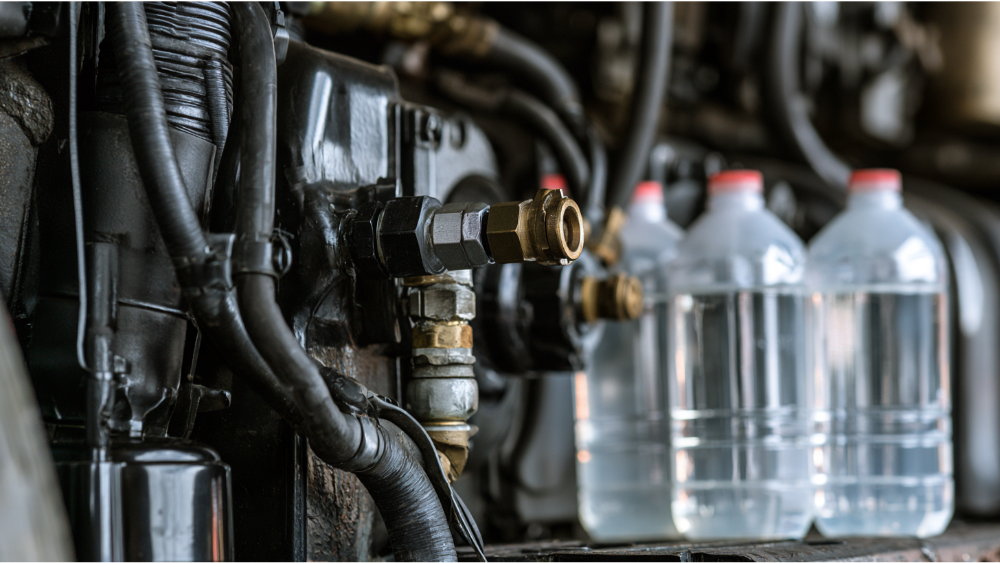
The procedure is manufacturer-dependent, because it lives in your component manual.
- Confirm the exact evaporator or injector model on the tractor.
- Read the device instructions and the vehicle service procedure first.
- Park level, set the parking brakes, chock the wheels, and drain stored air pressure per the component instructions. Gloves and eye protection on.
- Use only the specified methyl-alcohol-type air brake antifreeze. No substitutes.
- Add only the specified fill level. A small amount in the right place beats a bottle in the wrong one.
- Secure the cap and inspect the filler fitting and every connection.
- Build pressure per the vehicle procedure, then check for leakage, sticking valves, or abnormal operation before the unit moves.
Model-specific example, not a universal number: the Haldex A72420 evaporator holds 40 oz, and its manual calls for checking the level roughly every 1,500 miles during antifreeze season. That figure belongs to that part number and nothing else. You have heard the “couple of capfuls in the wet tank” advice. It has no manufacturer source behind it.
Where You Should Never Put Air Brake Anti Freeze
- Not in the compressor intake. That feeds raw alcohol into the most lubrication-dependent part of the system.
- Not upstream of the air dryer. Alcohol gets stripped by the desiccant while reducing its drying effectiveness, and other deicing chemicals can damage the dryer and affect warranty coverage.
- Not into random air tank or drain ports. A drain cock is not a fill point.
- Not poured into the red or blue glad hand. Manufacturer guidance warns against pouring the stuff into air lines and hose couplings. It washes lubricant off valve bodies and accelerates wear.
Never substitute engine coolant, windshield washer fluid, rubbing alcohol, fuel antifreeze, or anything unlabeled. Fuel line anti freeze is not air brake anti freeze, and drivers mix the two up every winter. Petroleum-based deicers attack rubber seals and O-rings. That shortcut turns into a leaking valve, a failed air test, and a roadside call.
Frozen Air Brake Lines And A Frozen Emergency Line: What To Do Now
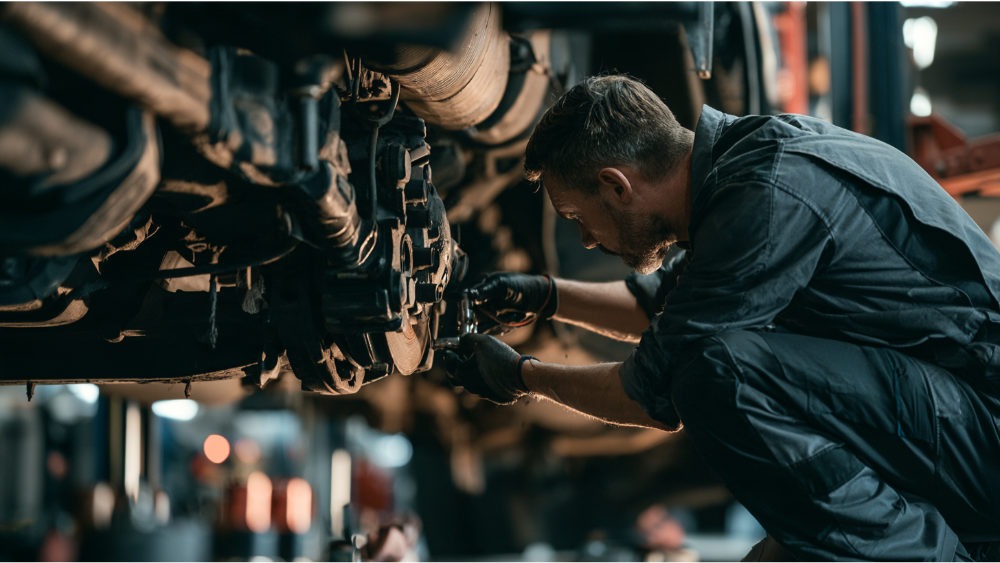
If brake application or release is uncertain, the truck does not move. Read the symptom first.
- Spring brakes won’t release: blockage in the emergency line, or a tractor protection valve not passing air.
- Zero airflow at the glad hand once the trailer is hooked: complete ice plug in the service or emergency lines.
- Application lagging two to four seconds: partial ice. The unit is not safe to run.
Then work it in order. No open flame on lines or valves, ever, because of component damage and fire risk. Once the unit is pulled into a heated building, controlled warming thaws the lines without damaging air components. Determine whether you have frozen lines, a frozen purge valve, or mechanically frozen shoes, because the difference decides the repair. Chemical deicer is a last resort on a disabled unit, applied at the freeze point with valves and O-rings inspected afterward. Ice can damage components within hours, so don’t let a frozen unit sit all weekend.
Why Your Air Brake System And Air Ride System Keep Freezing
Repeat freeze-ups mean liquid water is reaching your tanks and lines. Find out why.
- Saturated, contaminated, or incorrect air dryer cartridge
- Failed purge valve, or a purge valve heater that isn’t working
- Compressor oil carryover contaminating the desiccant
- Air leaks forcing excessive compressor cycling
- Incorrect dryer plumbing or discharge line routing
- Air demand exceeding the system’s drying capacity
- Contaminated trailer air systems feeding water back into the combination
The same wet air feeds your air ride system. Moisture that freezes in a leveling valve or an air bag line drops a corner of the suspension, and on trailers it shows up as a unit sitting crooked on a cold morning. Air ride faults that only appear below freezing are usually a moisture problem, not a suspension problem.
Cold Weather PM That Keeps The Air Brake System Dry

Ignore the blanket “drain every tank daily” advice. The interval follows the truck. Manufacturer guidance for a line-haul truck with a working dryer is manual draining roughly every three months. Vocational and high-air-use units may need monthly or weekly. Drain tanks far more often on systems without a dryer, or on any truck pulling water. Replace the cartridge on mileage and condition, not on a calendar rule.
- Inspect the air dryer before winter and confirm the correct cartridge type.
- Verify purge valve and heater operation, and replace the heater if it isn’t drawing current.
- Grease glad hand seals with silicone grease and cap unused couplers.
- Inspect air brake lines and rubber hoses monthly for chafing, damage, and trapped moisture.
- Build pre trip inspections around build time and air loss rate. Slow build and frequent cycling both signal leaks.
Handling Methanol Safely
Methanol is toxic and highly flammable, with a flash point around 52°F. It can ignite at ambient shop temperatures, it absorbs through skin, and the odor is not a reliable warning of exposure.
- Chemical-resistant gloves, eye protection, and ventilation.
- No ignition sources nearby. Contain and clean spills immediately.
When To Stop Guessing And Get A Professional Air Brake Diagnosis
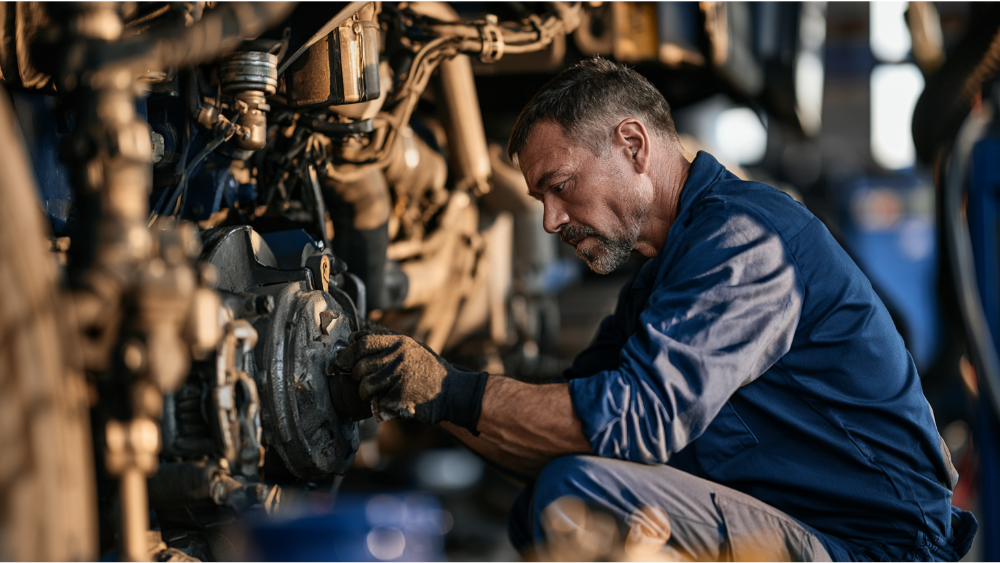
Get a mechanic on it when any of these show up:
- The low-air warning activates in the cab. The FMVSS 121 threshold is 60 psi, and that is a stop signal, not a tolerance.
- Pressure won’t build or won’t hold.
- A valve is leaking, sticking, or needs replacement.
- Water keeps showing up after draining.
- The purge valve isn’t cycling.
- You can’t locate the freeze point.
- Antifreeze went somewhere it was never supposed to go.
- Trailer brakes won’t apply or release correctly.
Torpedo Truck Repair handles Truck And Trailer Brake Repair, Electrical Diagnostics And Repair, Preventive Maintenance PM Service, and 24/7 Emergency Road Service on Class 6 through 8 trucks and trailers: Freightliner, Kenworth, Peterbilt, Volvo, Mack, International, Western Star. You get an itemized estimate before work starts. No surprises, no upsell.
Call (253) 449-0100. 24/7 emergency dispatch. Shop hours are Mon to Fri, 8:00 AM to 5:30 PM. Not an emergency? Request Service Quote. Takes under 60 seconds, no obligation.
Frequently Asked Questions
Where do you put air brake antifreeze?
Only in an OEM-approved alcohol evaporator or injector, following that device’s manual. There is no other approved fill point on most commercial vehicles.
Can I use air brake antifreeze if my truck has an air dryer?
Not into or upstream of the dryer. Alcohol reduces the desiccant’s drying effectiveness, and other chemicals can damage the unit. An approved evaporator plumbed downstream is a different case, and you follow both manufacturers’ instructions.
How often should air brake reservoirs be drained?
Follow the vehicle and dryer schedule. Roughly quarterly for a line-haul truck with a working dryer, monthly or weekly for high-air-use vocational units, more often if you’re pulling water or running sustained sub-freezing temperatures.
How much air brake antifreeze should I use?
Only the amount the evaporator manual specifies for that exact model. There is no universal dose.