Key Takeaway
Transmission overheating means your gearbox fluid or clutch is producing more heat than the cooling system can handle. Stop the operation creating the heat, record the dash temperature and fault message, and follow your specific model’s procedure. The Allison 3000/4000 manual, for example, calls for idling in Neutral at 1,200 to 1,500 rpm until temperature drops to normal within two to three minutes.
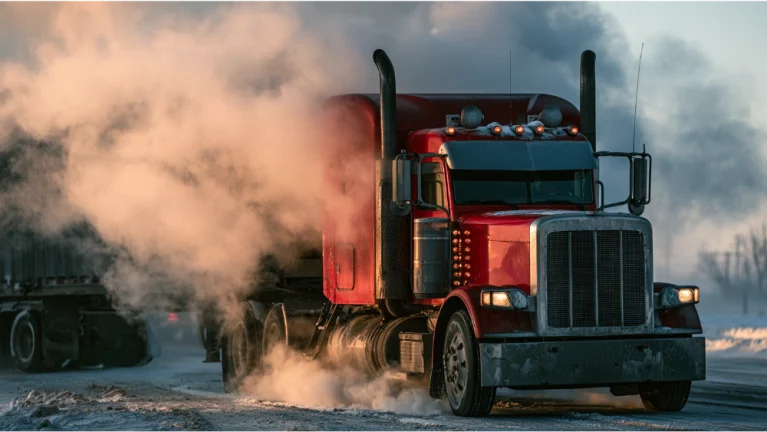
The gauge is climbing and the load is late. Transmission overheating means gearbox oil, automatic transmission fluid, or the AMT clutch is making more heat than the cooling system can manage. Stop what is creating the heat, follow the manual for your specific vehicle, and park it for diagnosis if the overheating returns.
What matters is the next five minutes, the limit for your unit, and how diagnosis gets done.
What To Do When Transmission Temperature Warning Lights Come On
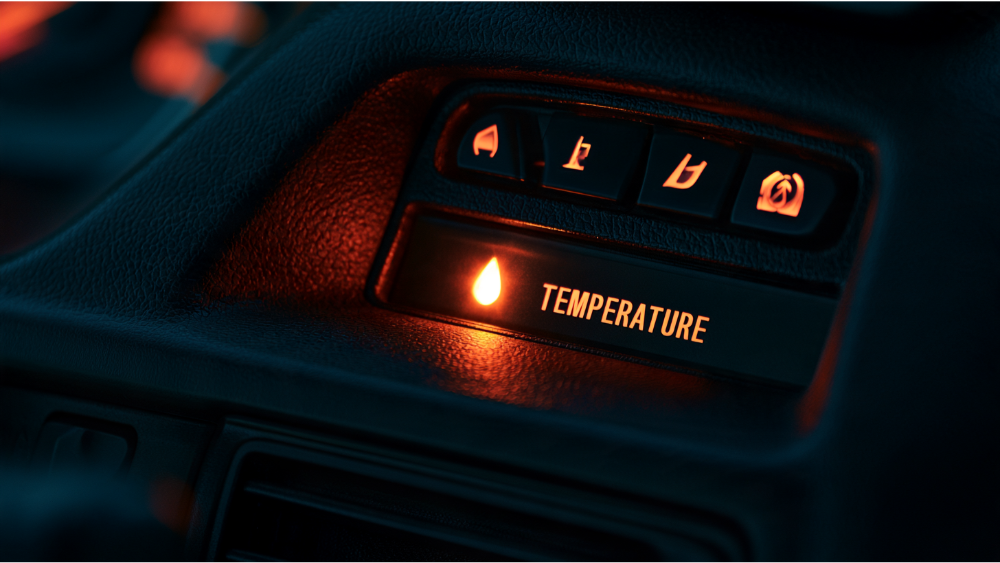
- Discontinue what is generating the heat: the grade, the creep, the backing, the pull.
- Get off the road and set the brake.
- Record the dash message and temperature before the warning clears.
- Look and smell for leaks, smoke, or burnt smelling fluid.
- Follow the manual for the transmission installed in your truck, not general advice.
There is no universal shut it off immediately. The Allison 3000/4000 operator manual says to stop, check the cooling system, then run the engine at 1,200 to 1,500 rpm in Neutral, with temperature expected to fall toward normal in two to three minutes. Endurant XD instructions say to idle until the warning clears, because shutting off the engine stops circulation. Both are model specific.
What Is Actually Happening Inside: Fluid, Gearbox Oil, Clutch, or Cooling System?
Five things produce an overheating warning.
- Manual gearbox oil running hotter than spec.
- Most automatic transmissions move heat out through fluid to the transmission cooler, and converter slip adds more.
- AMT gearbox oil, or the AMT dry clutch. Friction at low speed causes fast heat buildup.
- The engine cooling system and radiator. Vehicles rely on that capacity to reject excess heat.
- A false or implausible temperature signal.
A clutch temperature warning during yard work is a different problem than sump fluid over its limit. The fix is different too.
What Fluid Temperatures Are Too Hot for Manual, AMT, and Automatic Transmissions?
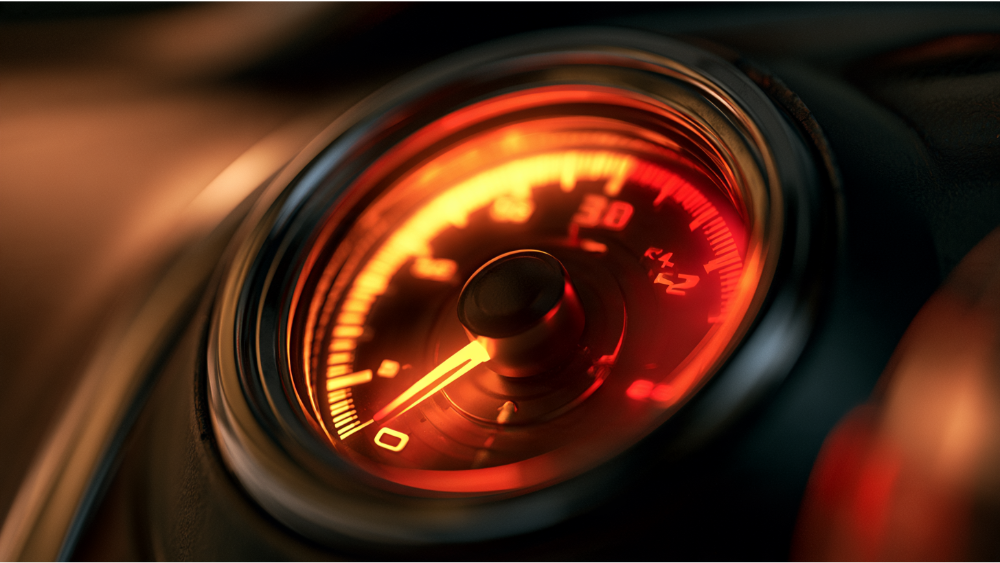
There is no single number across heavy duty Class 6 through 8 vehicles. Limits depend on architecture, lubricant spec, and duty cycle.
| Transmission family | Measurement point | Guidance |
|---|---|---|
| Allison 3000/4000 | Sump | 200°F / 93°C typical; overheated above 250°F / 121°C |
| Allison 3000/4000 | Fluid to cooler | Overheated above 300°F / 149°C |
| Eaton driver manual | Operating temperature | Not consistently above 250°F; fluid breakdown accelerates |
Modern vehicles report transmission temperature over the data bus. Read your dash number against your own operator manual, not a generic chart.
Most Common Causes of Transmission Overheating
- Low transmission fluid level, which exposes the pump inlet and causes cavitation and aeration.
- Overfilled or wrong fluid, or a service performed outside OEM procedure.
- Old fluid, degraded or contaminated, that no longer carries heat.
- Cooler restriction, collapsed lines, or restricted radiator airflow, so heat does not dissipate properly.
- Pump problems, torque converter slip, slipping bands, or glazed clutch packs.
- Internal drag from worn components, failing seals, and internal leaks.
- Temperature sensor, wiring, or data faults.
Eaton service guidance tells technicians to verify the temperature signal before condemning the transmission. A high dash reading confirms a reported problem, not a failure. Topping off is not a repair. If the level is low, the leaks have to be found.
Why Transmission Overheating Happens Under Heavy Loads, On Grades, and In Stop and Go Traffic

- Under heavy loads towing near max gross weight, torque demand climbs and marginal cooling capacity runs out.
- On long grades, sustained load at low road speed means repeated shifting and less airflow.
- Creeping, backing, and yard work slip the AMT clutch. DT12 guidance calls extended Creep Mode and holding a grade on the accelerator clutch abuse, and the system can disable Creep Mode. Hold with the service brake.
- Stop and go traffic in hot weather. The cited Eaton manual lists slow operation, high ambient temperature, and restricted airflow as conditions that push past 250°F.
- Right after service, from wrong fluid level, wrong fluid, aeration, or a leak.
- Hot while empty on level highway, or engine temperature climbing with it, points to sensor accuracy, pump flow, restriction, internal drag, or shared heat rejection.
Early Warning Signs and Common Problems Before the Gauge Climbs
- Dash warning lights or a fault message
- Burning smell, or discolored fluid on the dipstick
- Delayed engagement, rough shifts, gear hunting
- Unusual noises, rpm flare, or slipping under load
- Fluid seeping at seals or cooler lines
Overheating announces itself before the gauge does. Report these signs early and you avoid the transmission failure version of this repair.
Can You Keep Driving With an Overheating Transmission?
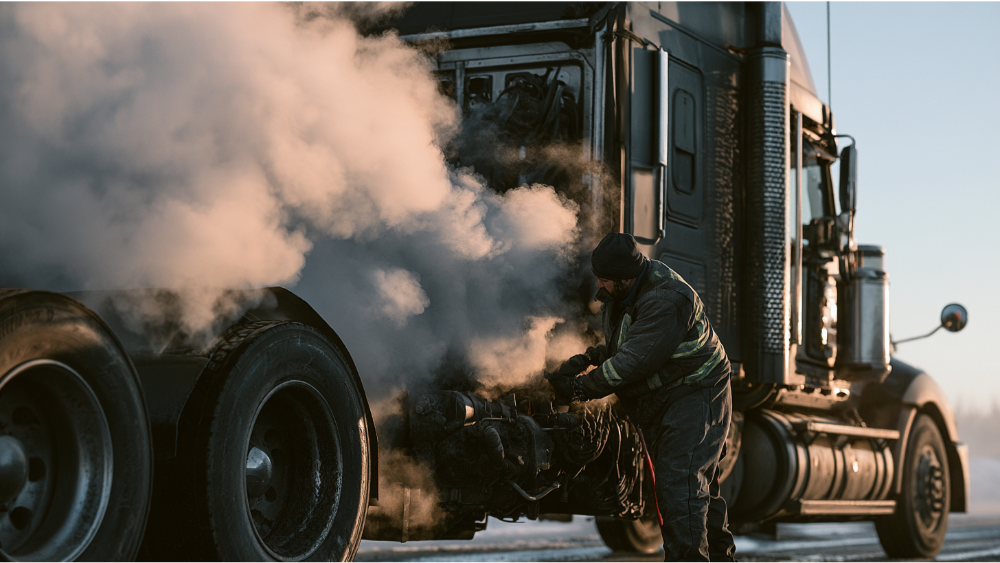
Drive gently and see what happens is not a plan. Use three levels.
- Monitor: the warning clears under the specified procedure, shifts return to normal, no leak, no burning smell.
- Schedule diagnosis before the next loaded run: it cleared, but repeats under the same condition.
- Park it and call for road service: persistent overheating, slipping, loss of drive, a significant leak, or smoke.
One event does not mean a replacement transmission. It means the cause gets found before transmission problems turn into catastrophic failure. Record the dash message, displayed temperature, gross weight, and grade, and do not clear fault history.
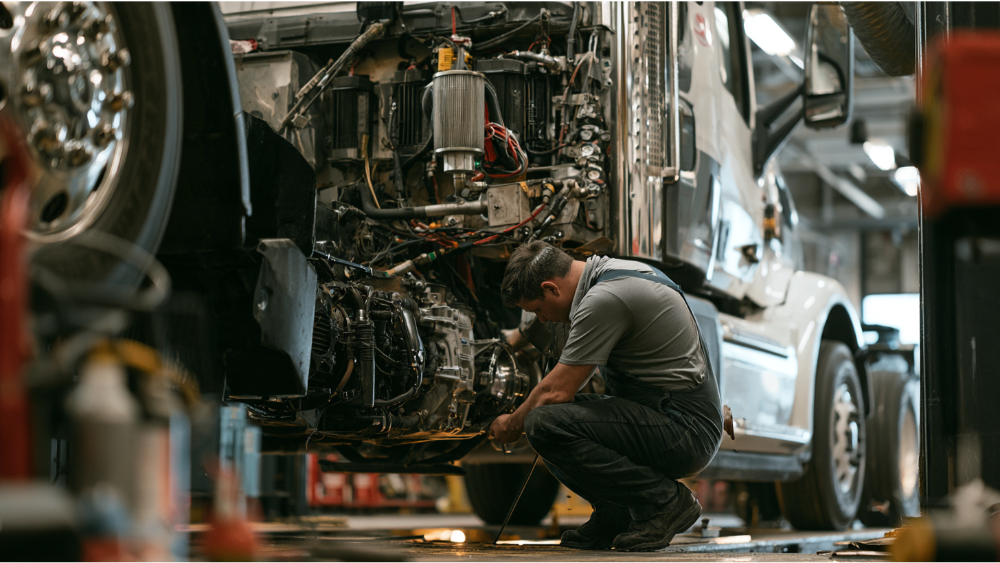
How a Correct Diagnosis Is Performed
- The first step is verifying the gauge against scan tool data and confirming the sensor is functioning properly.
- Read active and inactive faults, then confirm the exact transmission model and calibration.
- Check fluid level by OEM procedure. For Allison 3000/4000, the hot check runs at 160 to 200°F / 71 to 93°C, level surface, engine idling, Neutral.
- Inspect fluid for heat damage, aeration, contamination, and metal, plus seals and breather condition.
- Test cooler flow and airflow through the radiator.
- Compare commanded versus actual gear against engine, input, and output speeds. Clutch materials lose friction as temperatures climb.
- Run pump flow testing where the OEM calls for it. The cited Eaton procedure expects roughly 4 GPM at 1,500 rpm.
What is happening inside the case gets investigated last, after external causes and measurement errors are ruled out. Findings get itemized before expensive parts get ordered. That keeps a sensor fault from becoming a major repair.
Preventing Repeat Transmission Overheating Across a Fleet
- Log warning events by unit with load, route, grade, and ambient conditions.
- Set PM intervals by transmission and duty cycle, not one interval across every unit.
- Track recurring fluid loss and repeat overheating faults.
- Coach the low speed driving habits that cook an AMT clutch.
49 CFR 396.3 requires carriers to systematically inspect, repair, and maintain their vehicles. 396.11 requires reporting defects that could cause a breakdown, and those defects must be repaired before the vehicle runs again.
Frequently Asked Questions
How do you tell if your transmission is overheating?
Dash warning lights are the direct signal. Early signs are a burning smell, discolored fluid, delayed engagement, and rpm flare.
How do you cool a transmission down?
Stop the operation creating the heat and follow the procedure for your unit. If temperature does not come down, park it rather than risk catastrophic damage.
Will changing the fluid fix overheating?
Fresh fluid will not correct a cooler restriction, a slipping clutch, low pump flow, or a bad sensor. Overheating is a serious issue with a cause, and the cause decides the transmission repair.
Get the Cause Found, Not the Part Guessed
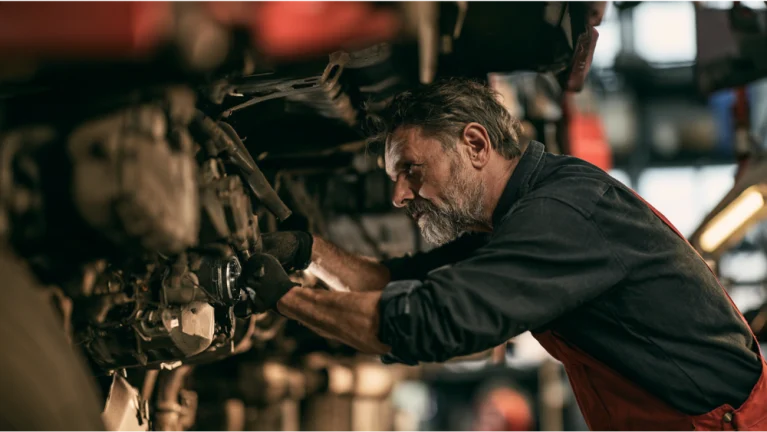
Transmission overheating gets diagnosed, not guessed. Torpedo Truck Repair handles Transmission And Clutch Repair, Cooling System Repair And Service, Preventive Maintenance PM Service, and 24/7 Emergency Road Service for Class 6 through 8 trucks and fleets. OEM diagnostic software, certified technicians, and an itemized estimate before work begins. No surprises, no upsell, same-day service focus when possible. Catch transmission issues early and you prevent further damage. Licensed and insured, DOT certified, est. 2017.
Call Now
(253) 449-0100
24/7 emergency dispatch.
Not an emergency? Request Service Quote for transmission diagnosis or fleet PM scheduling. Takes under 60 seconds. No obligation. Shop hours are Mon through Fri, 8:00 AM to 5:30 PM; the 24/7 line is emergency roadside dispatch.