Key Takeaway
Diesel injector failure symptoms include rough idle, hard starting, power loss under load, black or white exhaust smoke, increased fuel consumption, and a rising oil level from fuel dilution. However, these same signs are also caused by clogged fuel filters, a failing high-pressure pump, low compression, charge-air leaks, and EGR faults. A verified diagnosis using OEM software and live rail pressure data is required before ordering any parts. Guessing from a symptom list alone costs money and rarely fixes the truck.
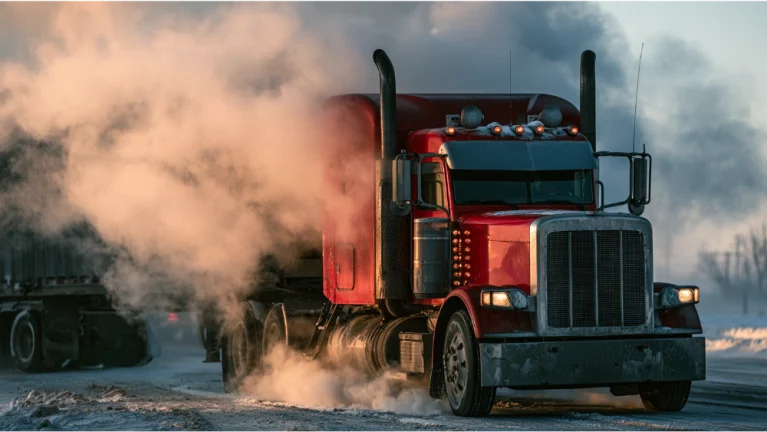
The most common diesel injector failure symptoms are rough idle or a cylinder miss, hard starting or extended cranking, power loss under load, higher fuel consumption, black or white exhaust smoke, a new knock or clatter, a fuel smell or visible leak, and a rising engine oil level from fuel dilution. A check engine light or stored fault code usually shows up with them. Here is the part most articles skip: those symptoms are evidence of fuel injector problems, not proof. Clogged filters, low supply pressure, a failing high pressure pump, a corroded connector, low compression, a charge-air leak, or an EGR fault produce the same complaints on the same diesel engine. Guessing from a symptom list costs money and rarely fixes the truck. This is written for owner-operators, fleet managers, and drivers who need to know whether to keep rolling and what a real diagnosis of fuel injector issues looks like.
What Are the Most Common Signs of Fuel Injector Problems?

A fuel injector has one job: deliver fuel precisely, at the right moment, in the right spray pattern, on every combustion event. Atomized correctly, that charge burns clean in the combustion chamber. Modern common-rail systems do that at pressures Cummins puts at up to 37,000 psi, and Bosch rates its pressure-compensated solenoid common-rail system to 2,500 bar (roughly 36,259 psi). When atomization, timing, or quantity drifts, efficient combustion stops, engine performance drops, and the truck tells you:
- Rough idle or misfire from uneven fuel delivery on one or more cylinders.
- Hard starting or long cranking, usually worse cold, when one or more injectors leak down internally.
- Power loss and flat acceleration, especially pulling a grade under a heavy load.
- Black smoke from unburned fuel when an injector leaks or sticks open.
- White or gray smoke from raw diesel fuel that never ignited, often on cold starts.
- Higher fuel burn when an injector delivers more fuel than commanded or combustion is incomplete.
- Knock or clatter that sounds different from normal diesel rattle.
- A strong fuel smell or a visible wet spot around an injector body, seal, or line.
- Rising oil level on the dipstick, a sign fuel may be getting past into the crankcase.
Most drivers notice decreased fuel efficiency first, because it shows up at every fill before anything sets a code. Every symptom above tells you where to look. None of them tells you which injector to buy.
Should You Stop Driving or Schedule a Diagnosis?
Park the vehicle and call for service if:
- A severe new knock appears.
- Fuel is visibly leaking or the fuel smell is strong.
- Smoke is heavy and continuous.
- Power is cutting out unpredictably in traffic.
- The oil level is rising or the dipstick smells like diesel.
- The engine is misfiring badly or enters a major derate.
- Any dash message instructs you to shut down.
Schedule diagnosis promptly if: idle quality is slowly getting worse, cold cranking is getting longer, fuel use has climbed, poor performance shows up on grades that used to be routine, light smoke appears where it never did, or a cylinder contribution or fuel-system code is stored without drivability problems.
There is no safe-mileage number to give you. Running a leaking injector under load can lead to soot loading, oil dilution, and aftertreatment damage on top of a one-cylinder problem.
Diesel Injector Symptom Matrix: What Each Sign Means and What Else Causes It
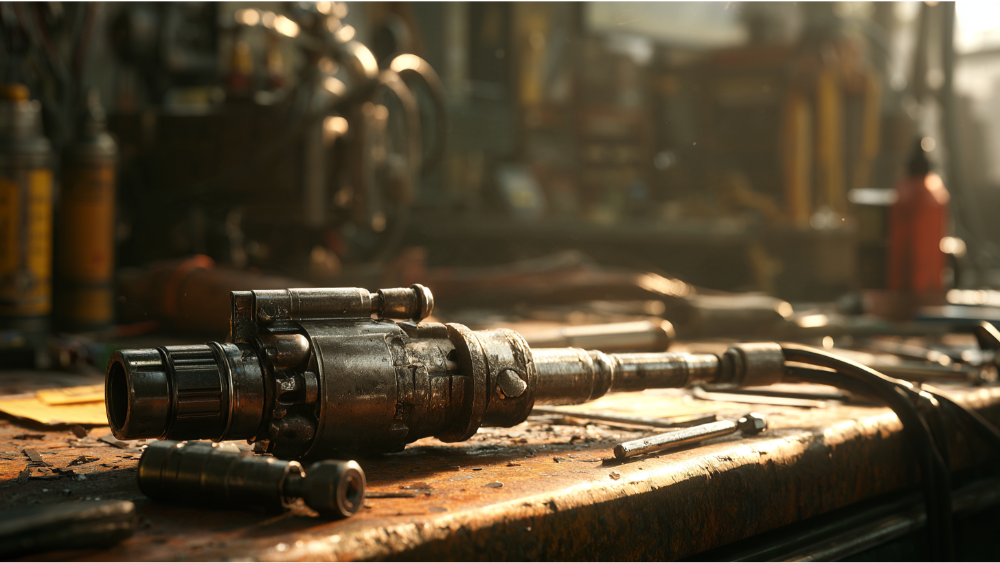
Use this to frame the conversation with your shop, not to pick a part. These warning signs narrow the search. They do not close it.
| Driver symptom | How injectors could cause it | Other likely causes | Urgency |
|---|---|---|---|
| Rough idle or misfire | Uneven or excessive fuel delivery | Compression, harness, valve train, fuel pressure | Prompt |
| Hard start, long crank | Internal injector leakage, poor atomization | Batteries, cranking speed, clogged filters, pump, air in fuel | Prompt |
| Power loss under load | Low flow, uneven cylinder contribution | Turbo, charge-air leak, EGR, restricted filters | High |
| White smoke | Unburned diesel fuel, poor atomization | Cold combustion, compression, coolant, timing | Depends on severity |
| Black smoke | Injector overfueling or bad spray pattern | Low airflow, boost leak, EGR, turbo | High under load |
| Injector knock | Wrong fuel quantity or timing, one cylinder | Mechanical knock, valve train, compression | Stop if severe |
| Poor fuel efficiency | Excess injector flow, incomplete combustion | Boost, duty cycle, tires, aftertreatment | Prompt |
| Fuel smell or leak | Injector body, seal, or line leak | Other fuel line or high pressure pump leak | Stop for active leak |
| Rising oil level | Fuel dilution may be present | Regen strategy, other internal fuel leak | Stop and check |
| Frequent regens, DPF codes | Increased soot from poor combustion | EGR, turbo, sensors, duty cycle, DPF condition | Diagnose full system |
Smoke color is a clue. It is not a verdict.
What Gets Mistaken for Fuel Injector Issues?
Before anyone quotes you a set of injectors, these should be ruled out:
- Clogged or overdue fuel filters
- Water or debris in the diesel fuel
- Low supply pressure from the lift pump
- High pressure pump or pressure regulator faults
- Harness, connector, or injector solenoid circuit failures
- Low compression or a valve-train problem
- Air intake restriction or a charge-air leak
- Turbocharger faults and EGR faults
- Aftertreatment restriction
- Incorrect injector installation, seals, or coding from a prior repair
Balance rates deserve their own warning. A commercial-truck OEM fuel-system bulletin hosted by NHTSA states plainly that injector balance rates alone do not identify a specific failure, because compression, internal friction, poor fuel quality, temperature, and electrical faults all move those numbers. Replacing parts on balance data alone causes delayed repairs and added cost. The expensive mistake is not only missing a bad injector. It is replacing injectors without finding what killed them, then paying twice.
What Causes Diesel Fuel Injectors to Fail on a Working Diesel Engine?
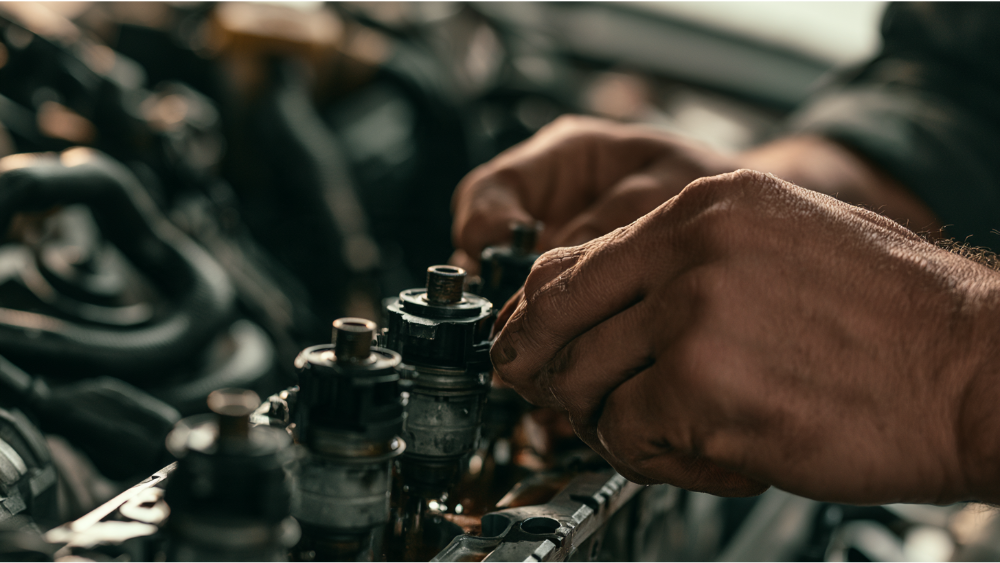
Sorted by root cause, here is why most heavy-duty diesel fuel injectors fail:
- Water and particulate contamination. Cummins lists water, microorganisms, wax, hard particles, and sediment as common diesel fuel contaminants. Small particles in the 1 to 5 micron range are enough to wear or stick the internal parts of an injector.
- Poor or incorrect filtration. Bosch names filtration, contamination, and incorrect installation as its three key injector failure categories.
- Metal debris from an upstream pump failure, which sends shrapnel through the rail and into the rest of the fuel injection system.
- Electrical or solenoid failure in the injector or its circuit.
- Nozzle, needle, and seat wear from hours, heat, and high pressure.
- Carbon and clogged deposits at the injector tip, which flatten the spray pattern and hurt engine performance.
- Incorrect installation: wrong seals, wrong torque, wrong coding.
- Air or supply problems that starve the high pressure side.
Cummins specifies a minimum fuel cleanliness of ISO 18/16/13 and a maximum water content of 200 ppm. That is what the injector was designed to live on. The EPA’s 15 ppm ULSD sulfur limit is a separate fuel standard and has nothing to do with cleanliness or water.
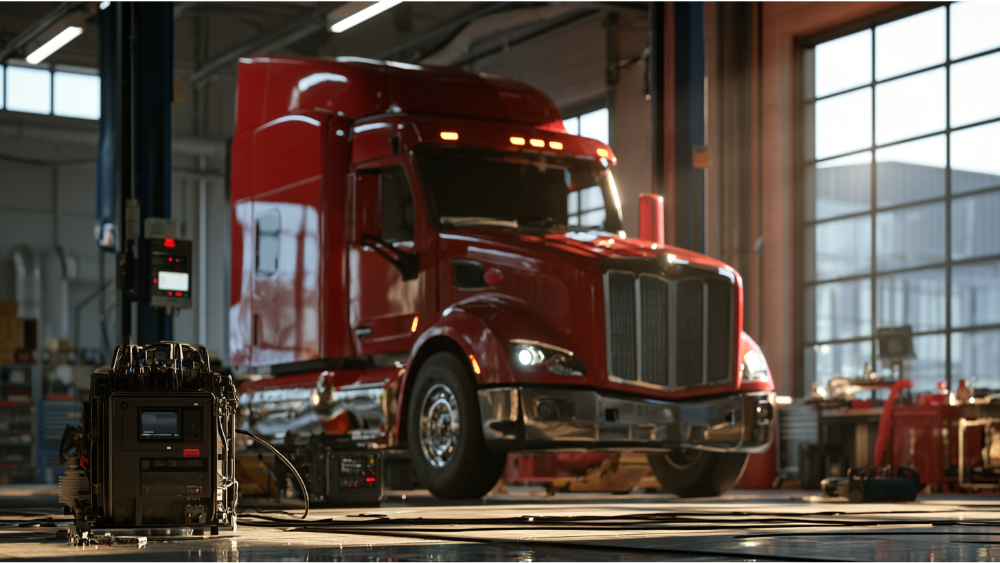
How a Heavy-Duty Shop Confirms Injector Problems
This is the diagnostic sequence you should be able to hold any shop to:
- Record the symptoms and the exact conditions: cold, hot, idle, or loaded. Tell them exactly what vehicle and engine platform you run.
- Pull active and stored fault data with OEM software and J1939 data, not a generic code reader.
- Review live rail pressure and per-cylinder data.
- Inspect fuel filters, the water separator, and fuel quality.
- Verify low-side and high-side fuel delivery under load.
- Visual inspections of harnesses, connectors, seals, external leaks, and soot staining at injector tips.
- Run cylinder cutout and injector performance tests.
- Measure return or leak-off flow where the OEM procedure calls for it.
- Check compression or valve-train condition if the data points there.
- Remove or bench-test injectors only when the evidence supports it.
- After repair, verify codes, rail pressure, cylinder balance, and road performance.
High Pressure Fuel Safety
Common-rail pressure can exceed 2,000 bar (29,008 psi) and penetrate skin, causing serious injury or death. Never crack a line on a running engine. Never hunt a high pressure leak with your hand. Use a piece of cardboard and leave rail work to a qualified diesel technician. Parts get ordered after the estimate is itemized and approved, not before.
Should You Replace One Injector or the Full Set?

It depends on test results and root cause, not a blanket rule. An isolated electrical or mechanical failure on a low-hour set can justify replacing one. Similar wear across a high-hour diesel engine, or labor overlap that would force a second teardown, often argues for the set. Contamination changes the math entirely: water, DEF, gasoline, or metal from a failed pump requires broader inspection and pump correction first, or the new fuel injectors die the same way. Follow the platform-specific OEM procedure, and ask to see both repair options priced in writing.
Maintenance That Keeps Fuel Injector Problems From Coming Back
- Hold the engine manufacturer’s fuel filter interval. Do not stretch it.
- Use filters that meet the applicable OEM specification.
- Drain and service the water separator as directed.
- Treat a water-in-fuel warning as a same-week repair, not a dash nuisance.
- Do not ignore rail pressure or supply pressure codes.
- Log fuel stops when contamination is suspected, and inspect stored fleet fuel and tanks.
- Build fuel system and injector checks into the maintenance routine for every vehicle in the yard, not just the one that broke.
An additive can help with light deposits. It will not repair a worn nozzle or a corroded needle. Fuel burn that holds flat month over month is a good sign the fuel is clean, and staying proactive on filtration is cheaper than a tow and a teardown.
Frequently Asked Questions
What is the life expectancy of diesel fuel injectors?
There is no universal mileage number, and the ranges published online conflict badly. Life varies by engine platform, duty cycle, operating hours, fuel quality, filtration, and contamination history. Follow engine-specific OEM test limits.
Can you drive a diesel with a bad injector?
Sometimes briefly, but not safely with an active fuel leak, heavy smoke, a severe knock, a rising oil level, or a derate. Continuing under load adds soot loading, oil dilution, and aftertreatment damage to the original problem.
What can be mistaken for a bad fuel injector?
Clogged filters, water in fuel, low supply pressure, high pressure pump faults, wiring and connector problems, low compression, charge-air leaks, turbo faults, and EGR faults all mimic fuel injector issues.
What is the most common cause of diesel injector failure?
Fuel contamination. Water, debris, and particles in the 1 to 5 micron range damage internals built to run on diesel fuel at ISO 18/16/13 cleanliness and under 200 ppm water content.
Get a Verified Diagnosis Before You Buy Injectors
Torpedo Truck Repair handles Diesel Engine Repair And Maintenance and Fuel System Repair And Diagnostics on Class 6 through 8 platforms: Freightliner, Kenworth, Peterbilt, Volvo, Mack, International, Western Star. OEM diagnostic software, certified technicians, an itemized estimate before a bolt is turned. No surprises, no upsell, same-day service focus when possible. Call (331) 299-1322 or request a service quote. Takes under 60 seconds, no obligation.