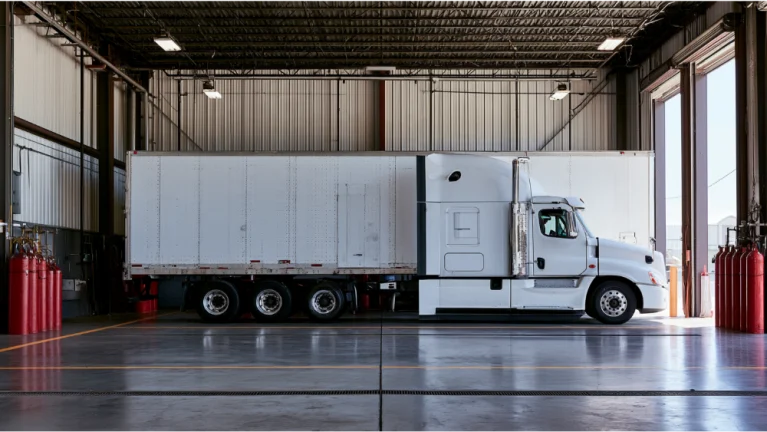
Key Takeaway
Not all diesel engines have a turbo. Diesel engines are defined by compression ignition, not forced induction, and naturally aspirated diesel engines are still produced today for stationary and industrial use. That said, virtually every modern Class 6 through 8 on-highway truck engine is turbocharged, and on those engines, boost is essential to rated power, fuel economy, and emissions compliance.
No. Not all diesel engines have a turbocharger. A diesel is defined by compression ignition, not forced induction, and naturally aspirated diesel engines are still produced today. But nearly every modern Class 6 through 8 on-highway engine you’ll work on is turbocharged, and the turbocharger is wired into how the whole engine operates.
If you’re trying to identify what’s on your engine, or you’ve lost boost and want to know whether the vehicle is safe to move, the distinction that matters is this: an engine built without a turbocharger is a complete design. A turbocharged engine with no boost is a truck with a fault.
What Makes an Engine a Diesel, and Where the Turbocharger Fits

A diesel ignites fuel from the heat of compression. No spark plug, no ignition coil. Compression ratios are high enough that intake air reaches ignition temperature on its own. Petrol engines compress an air-fuel mix and light it with a spark. That difference in combustion is the entire definition.
Aspiration is a separate question: how does the engine get air into the cylinders? Atmospheric pressure alone, or a compressor wheel feeding it pressurized air. A turbocharger is a device in the air-handling system, one of several systems feeding combustion. It changes how a diesel engine performs. It does not make it a diesel.
What Is a Naturally Aspirated Diesel Engine?
A naturally aspirated diesel fills its cylinders using atmospheric pressure and the downward movement of the piston. No compressor wheel, no boost, no charge-air piping, and far fewer components in the air path.
These engines are still produced. Caterpillar currently lists diesel generator sets built around a 2.2-liter four-cylinder engine rated roughly 13.6 to 20 ekW standby, with aspiration listed in the specification as Naturally Aspirated. For steady-load stationary and industrial duty, the design holds up: fewer moving parts, no turbocharger oil supply to maintain, no boost control to fail.
The limits are why highway trucks moved on. Power output is lower for a given displacement. Performance drops off at altitude as air density falls, because the engine can only take in what the atmosphere gives it. And hitting current emissions targets without precise control of intake air is a much harder engineering problem.
How a Diesel Turbocharger Recovers Waste Energy From Exhaust Gases
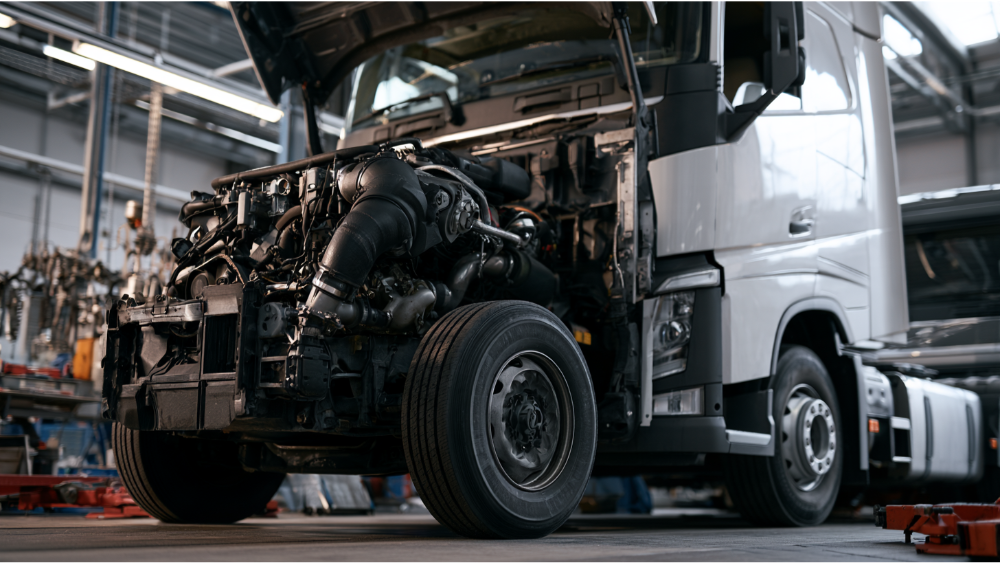
A turbocharger recovers waste energy that would otherwise leave the stack as heat and pressure. Cummins describes the path plainly:
- Exhaust gases leaving the cylinders spin a turbine wheel.
- The turbine drives a shaft supported by bearings in the center housing, fed by engine oil.
- On the other end of that shaft, a compressor wheel pressurizes the incoming intake air.
- Charge-air cooling, handled by an intercooler on many platforms, drops the temperature of that compressed air before it reaches the cylinders, since compressing air heats it.
What Happens Inside the Center Housing
A turbocharger has two main components: the turbine driven by exhaust flow and the compressor feeding the intake. Both wheels ride on one shaft, and the center housing carries that shaft on oil-fed bearings. Shaft speeds are high. Designs used in heavy duty trucks are commonly cited as operating near 150,000 rpm, though the figure varies by turbocharger and engine. What matters operationally is that turbochargers depend on clean oil, clean air, and sealed piping on both sides. That oil feed is critical. Take any of those away and the unit is living on borrowed time.
Why Increased Air Density Improves Engine Efficiency and Power
Increased air density carries more oxygen into the combustion chamber. Diesel combustion already runs with excess air, and more oxygen means more fuel burns usefully per cycle instead of leaving as soot in the exhaust gases. That is the whole argument for forced induction, and the U.S. Department of Energy’s diesel technical primer describes the same relationship between charge density and combustion efficiency.
Because the turbocharger increases the air packed into each cylinder, the same amount of displacement produces more power and more torque. Recovering exhaust energy that would otherwise blow out the stack raises overall engine efficiency, so the benefits show up in fuel economy as well as output. A turbocharger in good health keeps combustion efficient under load.
You feel it in places that matter under heavy loads. Low-speed torque when you’re pulling away heavy. Response when the grade steepens. Engine power holding over a mountain pass where a naturally aspirated engine is gasping. Turbocharging also lets smaller engines do more work than their displacement suggests, which helps with packaging and weight.
Boost is not the only reason diesel engines make torque. Displacement, stroke, injection strategy, calibration, and gearing all contribute to power output. The turbocharger makes the rest of that design possible at a size and weight that fits under a hood.
Do All Modern Diesel Trucks Have Turbochargers?
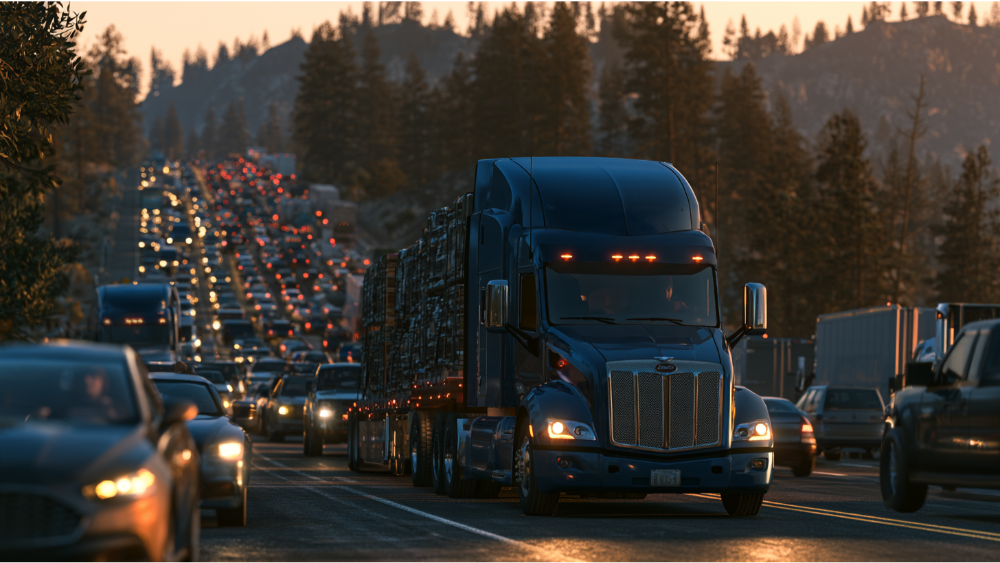
For current on-highway Class 6 through 8 platforms, the practical answer is yes, though “all” is still too strong a word to publish. Volvo’s D13 variable geometry turbo configuration is offered from 405 to 455 horsepower and 1,450 to 1,850 lb-ft. The Detroit DD15 is a 14.8-liter engine rated 425 to 505 horsepower and 1,550 to 1,850 lb-ft. International’s 13-liter S13 uses a fixed-geometry turbocharger.
The operational point is bigger than the spec sheet. On modern turbocharged engines, turbocharger operation is coordinated with the ECM, EGR, fuel injection, engine braking, and aftertreatment strategy. It is not a bolt-on accessory you can ignore; it is essential to how the engine makes rated power. Emissions targets and the demand for output from less displacement pushed manufacturers the same direction. Turbocharging is an engineering choice, not a legal requirement, but it’s the choice every mainstream highway engine maker has made.
Naturally Aspirated Diesel Engines vs. Turbocharged Engines: Quick Comparison
| Naturally aspirated diesel | Turbo diesel | |
|---|---|---|
| Intake | Atmospheric | Pressurized by a compressor wheel |
| Power output | Lower for a given displacement | Higher |
| Air system components | Simpler, fewer moving parts | Turbocharger, oil-fed center housing, charge-air piping and controls |
| Altitude performance | Falls off as air density drops | Largely recovered by boost |
| Where you find it | Selected stationary and industrial equipment | Standard on current on-highway truck engines |
Common Diesel Turbocharger Types

Terminology gets mixed up constantly. Holset’s turbocharger literature separates the designs clearly:
- Fixed geometry: no moving vanes or bypass. Sized for a target operating range.
- Wastegated: a valve bypasses exhaust gases around the turbine wheel to limit boost.
- Variable geometry (VGT): changes the effective exhaust flow area through the turbine to control boost across a wider operating range. On some diesel engines it also contributes to engine-braking performance.
- Multistage or compound: two turbochargers in series, both compressing intake air.
- Turbo compounding: not simply a second turbocharger. A turbo-compound unit recovers additional energy from the exhaust gases and returns usable power to the drivetrain. Volvo’s D13TC is rated 405 to 500 horsepower with 1,750 to 1,950 lb-ft peak torque.
How Can You Tell If Your Diesel Has a Turbocharger?
- Pull the engine model and serial number, then check the OEM specification for aspiration.
- Look for the compressor housing on the intake side, with charge-air piping running to a charge-air cooler.
- Check the engine and emissions label.
- Confirm in OEM service information rather than a parts listing.
Sound alone is not reliable. Intake leaks, a loose clamp, and accessory whine all get mistaken for turbocharger whistle, and healthy wheels on a well-sealed intake can be quieter than drivers expect.
Can a Diesel Engine Run With a Bad Turbocharger?
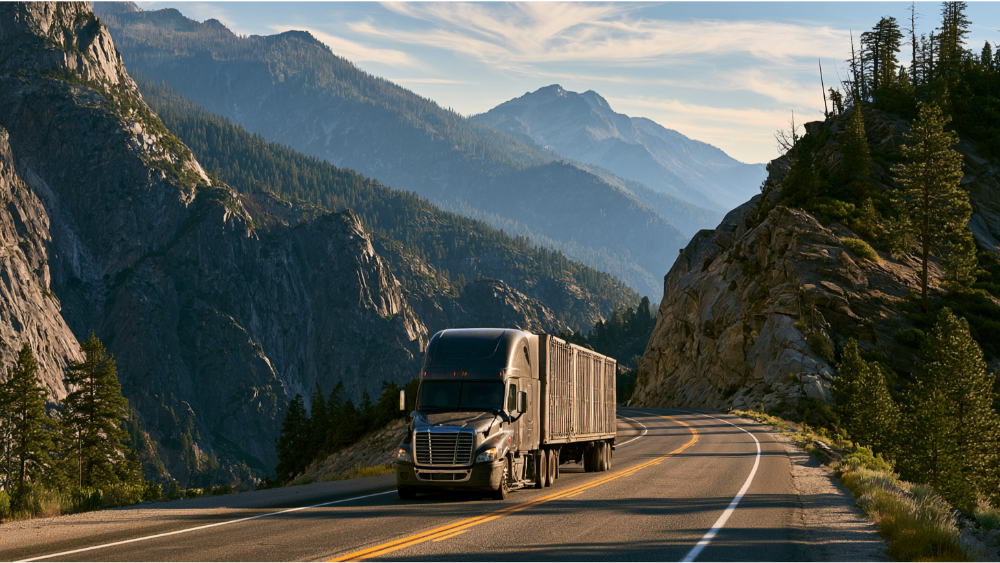
Two different answers to the same question. An engine designed as naturally aspirated operates exactly as intended with no turbocharger at all. A turbocharged commercial engine sitting at little or no boost is running with a fault, and continued loaded operation can turn a repair into an engine job.
Lost boost shows up as low power, smoke, sluggish response, higher fuel burn, and elevated exhaust temperature. Cummins failure-diagnosis material draws a harder line on a few symptoms. Heavy smoke, oil leakage at the turbocharger, grinding or siren-like noise, or any suspicion of wheel contact inside the housings means get it diagnosed. Don’t push it to the next stop.
Low Boost Does Not Always Mean a Bad Turbocharger
A symptom is not a diagnosis. Swapping a turbocharger on a guess buys you another tow and another invoice. The Cummins turbocharger troubleshooting matrix lists a long set of non-turbo faults that produce the same complaints:
- Restricted air filter or intake restriction
- Charge-air cooler or hose leak
- Exhaust leak or exhaust restriction
- VGT actuator or control fault
- Oil supply restriction or a blocked oil drain
- Injector or fuel delivery problems
- Incorrect valve timing
- Crankcase ventilation problems
- Internal engine damage
Our Diesel Engine Repair And Maintenance work starts with verified diagnosis, not a parts order. OEM diagnostic software, a structured test sequence across the intake, charge-air, exhaust, lubrication, fuel, and control systems, then an itemized estimate before a bolt is turned. No upsell. That’s how a boost complaint gets fixed once instead of twice.
Frequently Asked Questions
Is there a diesel engine without a turbo?
Yes. Naturally aspirated diesel engines remain in production for selected stationary and industrial applications, including current generator sets built on a 2.2-liter four-cylinder engine listed as naturally aspirated.
Is a turbo diesel better than a naturally aspirated diesel?
For on-highway freight work, yes. You get more engine power and torque from the same displacement, better response under load, and compensation for thinner air at altitude. A naturally aspirated design is simpler and fine for the duty it was built for.
What’s the worst thing for a diesel engine?
Neglected oil and filter intervals, contaminated fuel, restricted intake air, running hot, and continuing to operate a known fault under load. Consistent PM service prevents most of it.
What kills a turbocharger on a diesel engine?
Oil starvation or contaminated oil, a restricted oil drain, foreign object damage through the turbine and compressor wheels, heat abuse and hot shutdowns, and overspeed from boost leaks or tampered calibration.
Get a Verified Diagnosis Before You Replace a Turbocharger
Low power, smoke, or a boost complaint gets diagnosed as a system at our Fife, WA shop: OEM diagnostic software, certified technicians, an itemized estimate before work begins, and a same-day service focus when possible. We’re committed to finding the fault before anything gets replaced.
Call (253) 449-0100 for 24/7 emergency dispatch. Shop hours are Mon through Fri, 8:00 AM to 5:30 PM. Or Request a Service Quote. Takes under 60 seconds. No obligation.